
2016, estado de Sinaloa.



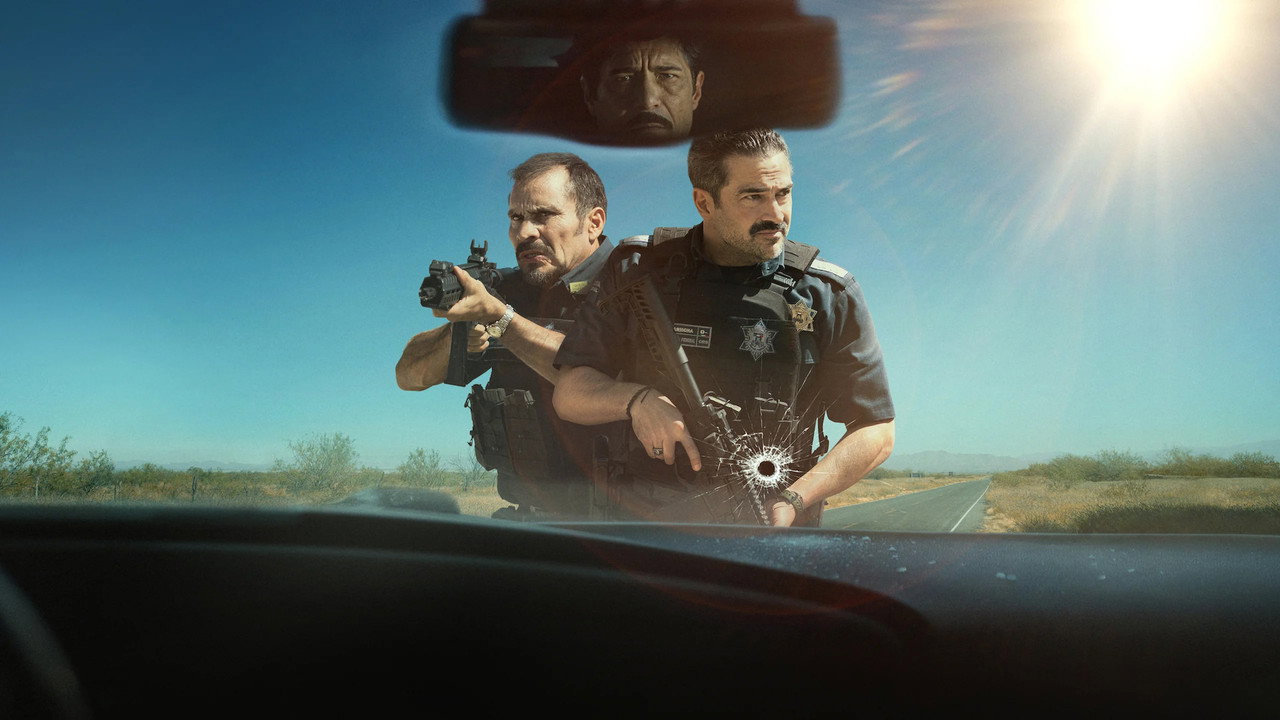
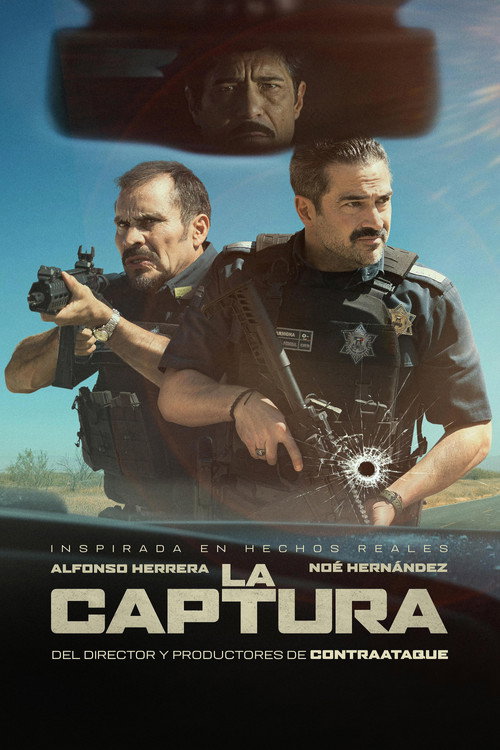
2016, estado de Sinaloa. Dos policías mexicanos, durante un control rutinario en las últimas horas de su turno, detienen un coche robado y se encuentran cara a cara con uno de los delincuentes más peligrosos del mundo: el Chapó Guzmán, patrón del temible Cártel de Sinaloa.

(CASTELLANO) Hay películas que funcionan porque no intentan abarcarlo todo. Esta podría haberse ido por el camino fácil: el gran fresco sobre el narcotráfico mexicano, el retrato del capo, la corrupción explicada con subrayador, la épica de la captura de un monstruo. Pero lo que más me gustó es que se queda mucho más cerca del suelo. Dos policías, un coche robado, el final de un turno, una carretera, un motel, una decisión que nadie esperaba. Y de pronto lo imposible: tener delante a uno de los criminales más buscados del mundo casi por casualidad. Eso es lo que le da tanta fuerza. No parece una operación heroica diseñada por grandes despachos, sino una desgracia caída encima de dos tipos que, hasta ese momento, solo querían terminar el día. Esa sensación de realidad es, para mí, su mayor virtud. Ya lo hablamos: tiene un look sucio, seco, muy físico, como si la cámara estuviera metida allí con ellos, respirando el mismo polvo y el mismo miedo. No busca embellecer el peligro ni convertir México en postal de narcoseries. Hay patrullas, carreteras, habitaciones feas, llamadas, silencios, miradas que no sabes si significan ayuda o amenaza. El poder del narco no aparece como una gran maquinaria lejana, sino como algo que cabe dentro de una conversación, dentro de una patrulla, dentro de la duda de si el compañero que tienes al lado va a resistir o va a venderte. Eso hace que la película sea emocionante, pero también dura. Porque el miedo no viene solo de las balas; viene de saber que quizá todo alrededor está contaminado. La relación entre los dos policías sostiene la película muchísimo. Alfonso Herrera y Noé Hernández no interpretan a héroes de manual, y eso se agradece. Son dos hombres cansados, con sus problemas, sus heridas, sus distintas formas de entender el trabajo y la supervivencia. Al principio hay distancia, recelo, incluso cierta incomodidad. Poco a poco la situación los va obligando a mirarse de otra manera. Lo bonito, si se puede usar esa palabra dentro de una historia así, es que la confianza no nace de un discurso solemne, sino de pequeños gestos: una reacción, una mirada, un silencio compartido, el miedo que ambos reconocen aunque ninguno quiera decirlo demasiado alto. Esa pareja funciona porque nunca parece perfecta. Precisamente por eso resulta creíble. También me interesa mucho que la película no convierta al Chapo en el protagonista absoluto. Está ahí, claro, y su presencia pesa incluso cuando no hace nada. Pero no es el típico retrato fascinado por el criminal, ni una invitación a mirar el poder del narco con admiración morbosa. Aquí el capo es peligro, manipulación, dinero, amenaza y también una especie de carga insoportable que nadie sabe muy bien cómo manejar. Cuando intenta comprar, intimidar o sembrar sospechas, la tensión crece porque entendemos que esos policías no solo tienen que custodiar a un detenido: tienen que sobrevivir al sistema entero que se mueve alrededor de él. La captura fue casi casual, pero mantenerlo capturado parece una misión imposible. No todo es perfecto. El arranque tarda un poco en encontrar su verdadero pulso y algunos elementos de contexto familiar o personal son más previsibles. Entiendo también a quien pueda verla como un thriller bastante de manual, porque no reinventa el género ni pretende hacerlo. Hay momentos que reconocemos, mecanismos conocidos, una estructura bastante directa. Pero a veces el cine policiaco no necesita inventar una forma nueva si sabe manejar bien la presión. Y esta la maneja. Cuando la película se encierra con los personajes y deja que la desconfianza, el cansancio y la posibilidad de morir en cualquier momento hagan su trabajo, funciona de verdad. Ahí no importa tanto saber hacia dónde va la historia como sentir el peso de cada minuto. Al final me dejó la sensación de haber visto una película más sólida de lo que esperaba. Emocionante sin ser tramposa, dura sin recrearse demasiado, tensa sin necesidad de explicarlo todo. Me gustó especialmente que hablara del heroísmo anónimo desde un lugar poco cómodo: no como una medalla, sino como una decisión tomada con miedo, con dudas y casi sin tiempo para pensar. A veces la historia no cambia porque alguien se levante por la mañana queriendo ser valiente, sino porque una casualidad lo coloca en el peor sitio posible y tiene que decidir qué clase de persona va a ser. Eso es lo que mejor cuenta esta película. Y por eso, sin ser redonda, me parece un thriller policial muy eficaz, humano y bastante memorable. (ENGLISH) Some films work because they do not try to cover everything. This could have taken the easy road: the big picture of Mexican drug trafficking, the portrait of the kingpin, corruption explained with a highlighter, the epic story of catching a monster. But what I liked most is that it stays much closer to the ground. Two police officers, a stolen car, the end of a shift, a road, a motel, a decision nobody expected. And suddenly the impossible: finding one of the most wanted criminals in the world almost by chance. That is what gives it so much strength. It does not feel like a heroic operation designed in important offices, but like a disaster falling on two men who, until that moment, only wanted to finish the day. That sense of reality is, for me, its greatest virtue. We talked about it already: it has a dirty, dry, very physical look, as if the camera were trapped there with them, breathing the same dust and the same fear. It does not try to make danger look glamorous or turn Mexico into a postcard from a narco series. There are patrol cars, roads, ugly rooms, phone calls, silences, glances you cannot tell are help or threat. The power of the cartel world does not appear as a distant machine, but as something that fits inside a conversation, inside a patrol car, inside the doubt of whether the partner beside you will hold firm or sell you out. That makes the film exciting, but also hard. Because the fear does not come only from bullets; it comes from knowing that perhaps everything around you is contaminated. The relationship between the two policemen carries the film enormously. Alfonso Herrera and Noé Hernández do not play textbook heroes, and that is appreciated. They are two tired men, with their problems, wounds and different ways of understanding the job and survival. At first there is distance, suspicion, even a certain discomfort. Little by little, the situation forces them to look at each other differently. The beautiful thing, if that word can be used inside a story like this, is that trust is not born from a solemn speech, but from small gestures: a reaction, a look, a shared silence, the fear both recognize even if neither wants to say it too loudly. That pair works because it never seems perfect. Precisely because of that, it feels believable. I also like that the film does not turn El Chapo into the absolute protagonist. He is there, of course, and his presence weighs even when he does nothing. But this is not the usual portrait fascinated by the criminal, nor an invitation to look at cartel power with morbid admiration. Here the kingpin is danger, manipulation, money, threat and also a kind of unbearable burden nobody quite knows how to handle. When he tries to buy, intimidate or sow suspicion, the tension grows because we understand that those policemen do not only have to guard a detainee: they have to survive the entire system moving around him. The arrest was almost accidental, but keeping him arrested feels like an impossible mission. Not everything is perfect. The opening takes a little while to find its real pulse, and some family or personal context is more predictable. I also understand anyone who sees it as a fairly by-the-book thriller, because it does not reinvent the genre and does not pretend to. There are familiar moments, known mechanisms and a very direct structure. But sometimes police cinema does not need to invent a new form if it knows how to handle pressure. And this does. When the film locks itself in with the characters and lets distrust, exhaustion and the possibility of dying at any moment do their work, it really functions. At that point, knowing where the story is going matters less than feeling the weight of every minute. In the end, it left me with the feeling of having seen a stronger film than I expected. Exciting without cheating, hard without lingering too much, tense without needing to explain everything. I especially liked the way it talks about anonymous heroism from an uncomfortable place: not as a medal, but as a decision made with fear, doubt and almost no time to think. Sometimes history does not change because someone wakes up wanting to be brave, but because chance places him in the worst possible spot and he has to decide what kind of person he is going to be. That is what this film tells best. And that is why, without being perfect, I find it a very effective, human and fairly memorable police thriller.

