
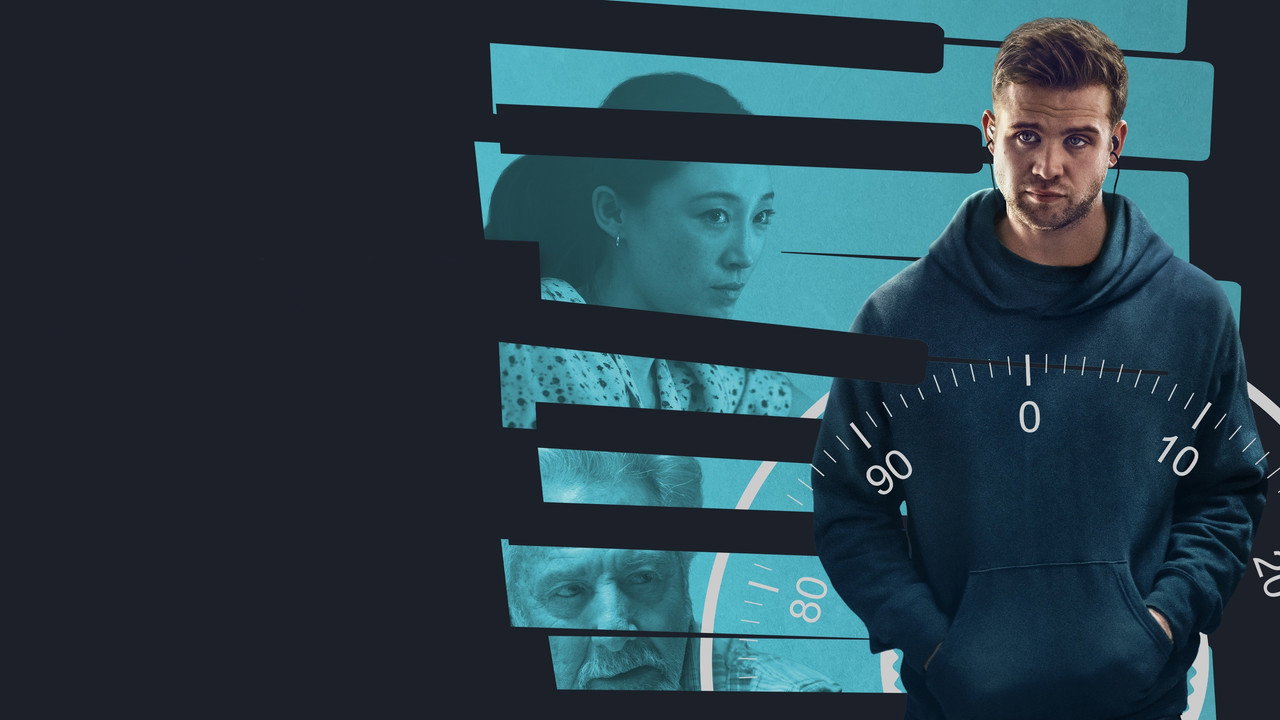

Las meticulosas habilidades de un talentoso afinador de pianos le llevan a descubrir una inesperada aptitud para abrir cajas fuertes, lo que pone su vida patas arriba.




Las meticulosas habilidades de un talentoso afinador de pianos le llevan a descubrir una inesperada aptitud para abrir cajas fuertes, lo que pone su vida patas arriba.

(CASTELLANO) Cuando la música permanece aunque todo cambie Hay películas que parten de una idea llamativa y terminan descubriendo que lo más interesante estaba en otra parte. Aquí podría haberse construido simplemente un thriller ingenioso alrededor de un joven con un oído extraordinario capaz de utilizarlo para algo bastante más peligroso que afinar pianos. Sin embargo, lo que acabó interesándome de Un talento único fue mucho más humano: qué ocurre cuando aquello que te hace especial también condiciona tu vida, qué hacemos con nuestros errores y si todavía podemos encontrar una segunda oportunidad. Leo Woodall consigue que Niki funcione precisamente porque nunca parece un héroe convencional. Es reservado, vulnerable, obsesivo y por momentos toma decisiones equivocadas, pero hay algo en él que hace muy fácil acompañarlo. Dustin Hoffman aporta calidez y una sensación de experiencia que encaja perfectamente con esa relación entre maestro y discípulo, mientras Havana Rose Liu introduce una dimensión emocional que termina siendo fundamental. Daniel Roher, en su primer largometraje de ficción después de Navalny, no necesita convertirlos en personajes extraordinarios para que acabemos preocupándonos por ellos. El sonido es mucho más que un recurso vistoso. La película intenta que percibamos el mundo de Niki desde dentro, convirtiendo ruidos mínimos, vibraciones y frecuencias en parte de la narración. Ahí el trabajo de diseño sonoro de Johnnie Burn resulta esencial. Su talento auditivo puede parecer inicialmente casi un superpoder, pero poco a poco entendemos que también es una carga. Y esa contradicción —el mismo don que abre posibilidades y al mismo tiempo puede encerrarlo— le da bastante más profundidad a la historia de la que esperaba encontrar en un thriller sobre un afinador de pianos que descubre otra utilidad para su oído. La parte criminal quizá sea la menos especial. Funciona, mantiene la tensión y proporciona a la película el movimiento que necesita, pero no creo que sea ahí donde esté su verdadera fuerza. Tampoco pretende reinventar el thriller y algunas situaciones pueden anticiparse. Lo importante es lo que ocurre alrededor: la relación con la música, la culpa, los afectos, las decisiones que ya no pueden deshacerse y el intento de reparar algo antes de que sea demasiado tarde. Ahí es donde la película deja de ser simplemente simpática y empieza a importarme. Y el tramo final fue lo que terminó de ganarme. Sin necesidad de explicar exactamente lo que ocurre, hay una pérdida que afecta al centro mismo de la identidad de Niki y que podría haber convertido el desenlace en puro melodrama. Pero la película encuentra algo mucho más bonito: aquello que hemos amado profundamente puede permanecer dentro de nosotros incluso cuando cambia nuestra capacidad de experimentarlo. La música, la memoria y una composición que significa mucho más que una sucesión de notas terminan uniéndose de una forma que me hizo llorar. No porque el final sea manipulador, sino porque entiende perfectamente qué es lo que realmente ha perdido el personaje y, sobre todo, qué parte de ello todavía puede conservar. No es una película perfecta ni necesita serlo. Su trama criminal podría tener más fuerza y hay elementos bastante convencionales, pero tiene algo que valoro mucho más: corazón. Acabé creyéndome a sus personajes, deseando que encontraran una salida y sintiendo de verdad lo que les ocurría. Es elegante sin presumir demasiado, triste sin recrearse en la tristeza y emotiva sin obligarme a emocionarme. Al final, lo que permanece no es el truco de las cajas fuertes, sino una idea mucho más sencilla y hermosa: pueden quitarnos muchas cosas, pero algunas de las que realmente nos han formado encuentran la manera de seguir sonando dentro de nosotros. (ENGLISH) When the music remains even though everything changes Some films begin with a striking idea only to discover that the most interesting thing was somewhere else. This could simply have been built as a clever thriller about a young man with extraordinary hearing who finds a rather more dangerous use for it than tuning pianos. Yet what ultimately interested me about Tuner was something much more human: what happens when the thing that makes you special also shapes your entire life, what we do with our mistakes, and whether we can still find a second chance. Leo Woodall makes Niki work precisely because he never feels like a conventional hero. He is reserved, vulnerable, obsessive and sometimes makes the wrong decisions, yet there is something about him that makes him very easy to follow. Dustin Hoffman brings warmth and a sense of experience that fits perfectly with that relationship between mentor and pupil, while Havana Rose Liu introduces an emotional dimension that eventually becomes essential. Daniel Roher, in his first fiction feature after Navalny, does not need to turn them into extraordinary characters for us to end up caring about them. Sound is much more than a flashy device. The film tries to make us perceive Niki's world from the inside, turning tiny noises, vibrations and frequencies into part of the storytelling. This is where Johnnie Burn's sound design becomes essential. His auditory talent may initially seem almost like a superpower, but gradually we understand that it is also a burden. And that contradiction — the same gift that opens possibilities while also trapping him — gives the story considerably more depth than I expected to find in a thriller about a piano tuner who discovers another use for his ear. The criminal plot is perhaps the least distinctive part. It works, maintains tension and gives the film the movement it needs, but I do not think that is where its real strength lies. Nor is it trying to reinvent the thriller, and some situations can be anticipated. What matters is everything around it: the relationship with music, guilt, affection, decisions that cannot be undone and the attempt to repair something before it is too late. That is where the film stops being merely pleasant and starts to matter to me. And the final stretch is what ultimately won me over. Without needing to explain exactly what happens, there is a loss that affects the very centre of Niki's identity and could easily have turned the ending into pure melodrama. Instead, the film finds something much more beautiful: what we have deeply loved can remain inside us even when our ability to experience it changes. Music, memory and a composition that means much more than a sequence of notes ultimately come together in a way that made me cry. Not because the ending is manipulative, but because it understands perfectly what the character has truly lost and, above all, what part of it he can still preserve. It is not a perfect film, nor does it need to be. Its criminal plot could have more force and some elements are fairly conventional, but it has something I value much more: heart. I ended up believing in its characters, hoping they would find a way out and genuinely feeling what happened to them. It is elegant without showing off, sad without indulging in sadness and emotional without forcing me to feel. In the end, what remains is not the safecracking trick, but a much simpler and more beautiful idea: many things can be taken away from us, but some of those that truly shaped us find a way to keep sounding inside.


