

Repárese para el sabor de la aventura.





Charlie Bucket (Freddie Highmore), un niño muy bueno de una familia muy pobre, gana un concurso, junto a otros cuatro niños de diferentes partes del mundo, para disfrutar de una visita durante todo un día a la gigantesca fábrica de chocolate dirigida por el excéntrico Willy Wonka (Johnny Depp) y su equipo de Oompa-Loompas. La fábrica se parece a un mundo fantástico y mágico lleno de diferentes sabores, todos muy dulces.

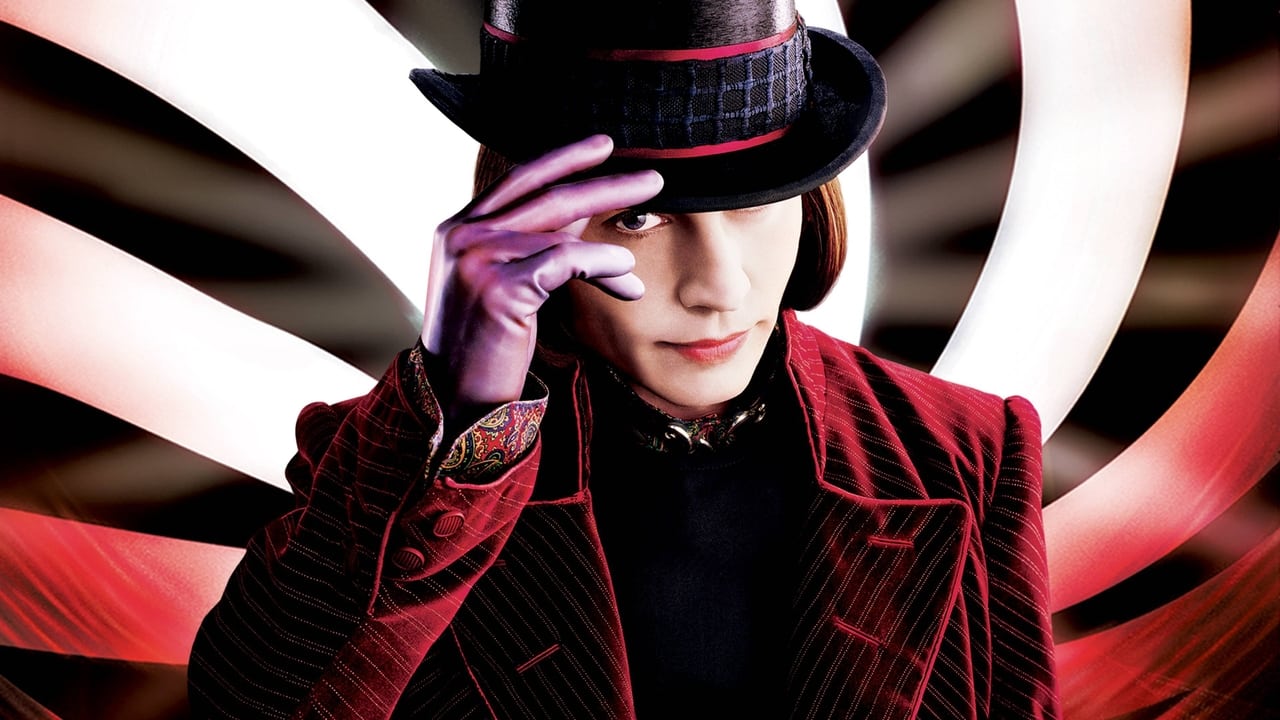
(CASTELLANO) Hay películas familiares que parecen hechas para tranquilizar a los niños y otras que entienden que la infancia también puede ser rara, incómoda, cruel y maravillosa a la vez. Esta va más por ahí. No es solo una fábrica llena de chocolate, canciones y colores imposibles; es también un cuento moral bastante retorcido, con niños insoportables, padres que han creado pequeños monstruos, pobreza, deseo, castigo y una imaginación visual que todavía hoy resulta muy reconocible. Tim Burton era probablemente uno de los directores más adecuados para entrar en el universo de Roald Dahl, porque los dos comparten algo esencial: saben que lo infantil no tiene por qué ser blando ni inocente del todo. Lo que más me gusta es el contraste entre el mundo de Charlie y el de la fábrica. La casa de los Bucket es pobre hasta casi lo absurdo, pero tiene calor humano. Todo está torcido, apretado, viejo, incómodo, y sin embargo allí hay cariño. La fábrica, en cambio, es un sueño gigantesco, brillante, mecánico y alucinante, pero también bastante inquietante. Burton convierte cada sala en una fantasía visual distinta, a veces preciosa y a veces un poco desagradable, como si el chocolate pudiera ser al mismo tiempo premio y amenaza. Ese contraste funciona porque la película no se olvida de Charlie. Frente a tanto exceso, Freddie Highmore aporta calma, bondad y una mirada limpia que impide que todo quede devorado por la maquinaria. Johnny Depp como Willy Wonka siempre me ha parecido lo más discutible y, a la vez, lo más imposible de separar de esta versión. No es un Wonka cálido ni especialmente encantador. Es raro, distante, incómodo, casi un niño adulto que ha aprendido a esconderse detrás de su propio espectáculo. A veces funciona muy bien porque encaja con el lado más excéntrico de Burton; otras, reconozco que puede hacerse demasiado afectado, como si la rareza estuviera subrayada con rotulador. Pero al menos no es una interpretación cómoda. Depp no intenta repetir a Gene Wilder ni convertir a Wonka en un simple mago simpático. Lo lleva hacia un lugar más frío, más neurótico, más artificial. Puede gustar más o menos, pero personalidad tiene de sobra. La película también conserva muy bien esa parte cruel del cuento. Cada niño representa un defecto llevado al extremo: el capricho, la gula, la competitividad, la dependencia de las pantallas, la mala educación convertida en carácter. Y lo divertido es que Burton no los mira con demasiada compasión. Hay algo de fábula antigua en la manera en que cada uno recibe su lección, como si la fábrica fuera un tribunal colorista donde los pecados infantiles se castigaran con canciones de los Oompa Loompas. Es una película para niños, sí, pero no trata a los niños como tontos. Les habla desde el exceso, la burla, el miedo ligero y la fantasía. Eso me parece mucho más interesante que una aventura familiar perfectamente pulida pero sin dientes. Visualmente sigue siendo una gozada. La dirección artística, el vestuario, los colores, los decorados y la música de Danny Elfman crean un mundo reconocible desde el primer minuto. Es cierto que no todo envejece igual: algunas partes digitales se notan más hoy y hay momentos en los que la película se pasa de grandilocuente o de saturada. También la subtrama familiar de Wonka, con ese intento de explicarlo psicológicamente, me interesa menos que el misterio puro del personaje. A veces parece que la película necesitara justificar demasiado aquello que funcionaba mejor como rareza. Pero incluso en sus excesos hay una energía creativa muy clara. Prefiero una película que se pase de imaginación a una que no tenga ninguna. Al final, me quedo con una adaptación muy de Tim Burton, con sus virtudes y sus manías. Tiene azúcar, pero también sombra. Tiene humor, pero también mala leche. Tiene una lección moral bastante clara, pero la envuelve en un mundo visual tan exagerado que nunca parece una simple película educativa. No sé si es la versión definitiva de la historia, ni falta que hace. Lo que sí sé es que consigue algo difícil: apropiarse de un libro muy querido y de un imaginario ya conocido para construir una película con identidad propia. Imperfecta, sí. A ratos excesiva. Con un Wonka que puede fascinar o irritar. Pero llena de imágenes, de ritmo, de música y de esa sensación de estar entrando en un lugar donde todo puede ser delicioso y un poco peligroso al mismo tiempo. (ENGLISH) Some family films seem made to reassure children, while others understand that childhood can also be strange, uncomfortable, cruel and wonderful all at once. This is closer to the second kind. It is not just a factory full of chocolate, songs and impossible colors; it is also a rather twisted moral tale, with unbearable children, parents who have created little monsters, poverty, desire, punishment and a visual imagination that still feels very recognizable today. Tim Burton was probably one of the most suitable directors to enter Roald Dahl's universe, because they share something essential: they both know that stories for children do not have to be soft or entirely innocent. What I like most is the contrast between Charlie's world and the factory. The Bucket house is poor almost to the point of absurdity, but it has human warmth. Everything is crooked, cramped, old and uncomfortable, and yet there is love there. The factory, by contrast, is a gigantic, bright, mechanical and hallucinatory dream, but also quite unsettling. Burton turns every room into a different visual fantasy, sometimes beautiful and sometimes a little unpleasant, as if chocolate could be both reward and threat. That contrast works because the film never forgets Charlie. Faced with so much excess, Freddie Highmore brings calm, kindness and a clear gaze that keeps everything from being swallowed by the machinery. Johnny Depp as Willy Wonka has always seemed to me both the most debatable element and the one most impossible to separate from this version. He is not a warm or especially charming Wonka. He is strange, distant, uncomfortable, almost an adult child who has learned to hide behind his own spectacle. Sometimes it works very well because it fits Burton's most eccentric side; at other times, I admit, it can feel too mannered, as if the weirdness had been underlined with a marker. But at least it is not a comfortable performance. Depp does not try to repeat Gene Wilder or turn Wonka into a simple friendly magician. He takes him somewhere colder, more neurotic, more artificial. You may like it more or less, but it certainly has personality. The film also preserves the cruel side of the tale very well. Each child represents a flaw pushed to the extreme: caprice, greed, competitiveness, dependence on screens, bad manners turned into personality. And what is funny is that Burton does not look at them with too much compassion. There is something of an old fable in the way each one receives a lesson, as if the factory were a colorful court where childish sins are punished with Oompa Loompa songs. It is a film for children, yes, but it does not treat children as fools. It speaks to them through excess, mockery, mild fear and fantasy. That seems much more interesting to me than a perfectly polished family adventure with no teeth. Visually, it remains a delight. The production design, costumes, colors, sets and Danny Elfman's music create a world recognizable from the first minute. It is true that not everything has aged equally: some digital elements show more today, and there are moments when the film becomes too grand or too saturated. The family subplot for Wonka, with its attempt to explain him psychologically, also interests me less than the pure mystery of the character. Sometimes it feels as if the film needed to justify too much what worked better as strangeness. But even in its excesses there is a clear creative energy. I prefer a film that has too much imagination to one that has none at all. In the end, I am left with a very Tim Burton adaptation, with its virtues and its habits. It has sugar, but also shadow. It has humor, but also nastiness. It has a fairly clear moral lesson, but wraps it in such an exaggerated visual world that it never feels like a simple educational film. I do not know whether it is the definitive version of the story, and it does not need to be. What I do know is that it achieves something difficult: taking possession of a beloved book and an already familiar imaginary world in order to build a film with its own identity. Imperfect, yes. Excessive at times. With a Wonka who can fascinate or irritate. But full of images, rhythm, music and the feeling of entering a place where everything can be delicious and a little dangerous at the same time.


